Proactive IT Management That Prevents Downtime and Supports Business Growth
Most technology problems don't arrive without warning.
They start small.
A system runs a little slower than usual. An update gets postponed for another week. A backup notification appears and gets overlooked because everything seems to be working fine.
Nothing feels urgent.
So it gets pushed down the priority list.
Work continues. Deadlines get met. Customers are served. Business moves forward.
Until one day it doesn't.
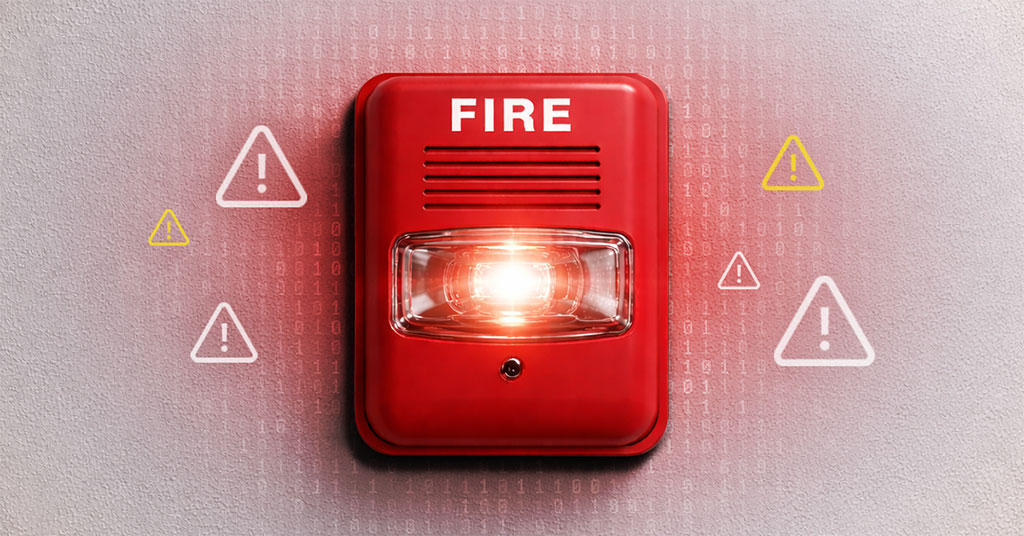
What looked like a minor issue suddenly becomes a major disruption, and what could have been handled quietly in the background turns into a company-wide fire drill.
During the summer months, those disruptions often hit even harder.
Vacations, reduced staffing, shifting schedules, and increased remote work can make it more difficult to respond quickly when problems surface.
That's why proactive IT management matters.
It's not about preventing every issue.
It's about preventing small issues from becoming costly disruptions.
Why Small Technology Problems Become Big Business Problems
Most organizations don't lose productivity because of major outages.
They lose productivity because small issues quietly accumulate over time.
A slow application. An aging workstation. A recurring login problem. An overdue software update. A backup warning that's easy to ignore.
Individually, these problems seem manageable.
Collectively, they create operational friction that slows teams down and increases business risk.
What is proactive IT management?
Proactive IT management is the practice of monitoring, maintaining, and improving technology systems before problems cause downtime or business disruption. The goal is to identify issues early and resolve them before they affect employees, customers, or operations.
Organizations across Oregon, Washington, and Idaho often discover that the cost of waiting far exceeds the cost of prevention.
Fire Drill #1: The "It's Just Running Slow" System
You've probably seen it before.
A critical system becomes slightly slower than normal. Employees notice it but adapt. They refresh the screen. Restart applications. Wait a few extra seconds. Try again.
Because work can still get done, nobody views it as an emergency.
Then one day the system stops working altogether.
Now employees can't access information they need. Customers experience delays. Teams begin troubleshooting on their own. Productivity drops.
What started as a minor performance issue becomes an operational disruption.
Why This Impacts Growth
When technology performance degrades, employees spend more time waiting and less time creating value.
Organizations that address performance issues early often gain a competitive advantage through:
- Faster customer response times
- Improved employee productivity
- Better service delivery
- Reduced downtime
- Higher operational efficiency
Technology should accelerate business operations, not slow them down.
Fire Drill #2: The Update That Never Happens
There's always a reason to delay updates.
A deadline is approaching. A project is underway. Key employees are unavailable. The timing doesn't feel right.
So the update gets pushed to next week. Then next month. Then next quarter.
Because everything appears to be working, the risk doesn't feel immediate.
Unfortunately, cybercriminals and software vulnerabilities don't operate on your schedule.
Why are software updates important?
Software updates improve security, reliability, compatibility, and performance. Delaying updates can expose organizations to cybersecurity threats, system failures, and operational disruptions.
As organizations increasingly adopt AI tools, cloud platforms, and integrated business systems, maintaining current software becomes even more important.
Older systems often struggle to support modern security controls and emerging technologies.
That's why technology strategy should include a structured approach to maintenance, patch management, and lifecycle planning.
Learn more about Managed IT Services.
Fire Drill #3: The Backup Nobody Tested
Backups are easy to take for granted.
When they're working, nobody notices.
When they're not working, everyone notices.
Most organizations assume their backups are functioning properly until they need to restore data.
That's when reality shows up.
Sometimes backups are incomplete. Sometimes jobs have failed. Sometimes critical systems weren't included. Sometimes restoration procedures haven't been tested.
When that happens, recovery takes much longer than expected.
Why should businesses test backups?
Businesses should regularly test backups to ensure data can be restored quickly during an outage, cyberattack, or system failure. Untested backups create uncertainty and can significantly increase recovery time.
A backup isn't valuable because it exists.
A backup is valuable because it works.
That's why mature business continuity programs include monitoring, testing, validation, and documented recovery procedures.
Learn more about Data Backup & Disaster Recovery.
Business Continuity Is About More Than Recovery
Organizations in regulated industries such as credit unions, healthcare organizations, CPA firms, and law firms often face additional expectations around recovery testing, documentation, and operational resilience. Proactive IT management helps support those requirements while reducing disruption to daily operations.
Many organizations think business continuity starts after something goes wrong.
In reality, effective business continuity begins long before a disruption occurs.
Business continuity focuses on:
- Preventing avoidable disruptions
- Maintaining operational resilience
- Protecting productivity
- Supporting customer experience
- Preserving organizational momentum
For growing organizations throughout Portland, Salem, Eugene, Bend, Boise, Seattle, Tacoma, and Vancouver, continuity planning helps ensure that technology supports growth rather than becoming an obstacle to it.
When competitors are struggling to recover, resilient organizations continue moving forward. That's a significant competitive advantage.
AI Makes Proactive Technology Management More Important
Artificial intelligence is creating exciting opportunities for productivity and innovation.
But AI is also increasing technology complexity.
Organizations now need to consider:
- AI governance policies
- Data protection requirements
- Vendor risk management
- AI-powered cyber threats
- Responsible AI adoption frameworks
As discussed in our article: School's Out, Cybercriminals Are In — AI-powered phishing attacks are becoming more sophisticated and harder to detect.
Likewise, as covered in: The Longest Day of the Year and You're Still Out of Time — technology should support efficiency rather than create new obstacles.
Proactive technology management helps organizations adopt AI confidently while maintaining security, governance, and operational resilience.
What Proactive Organizations Do Differently
The difference isn't luck. It's process.
High-performing organizations focus on identifying and resolving issues before employees feel their impact.
This typically includes:
Continuous Monitoring — Systems are monitored for performance, availability, and security concerns.
Planned Maintenance — Updates and maintenance occur on a predictable schedule.
Backup Testing — Recovery processes are regularly validated.
Strategic Technology Planning — Technology investments align with business objectives and future growth. Learn more about IT Assessments & Strategy Consulting.
Managed Cybersecurity — Threats are identified and addressed before they become business disruptions. Learn more about Managed Cybersecurity.
The goal isn't perfection. The goal is resilience.
What's Sitting on Your List Right Now?
Most leaders already know where the risks are.
There's usually a system that needs attention. An update that's been delayed. A process that hasn't been reviewed. A backup that hasn't been tested recently.
The challenge isn't identifying the issue. The challenge is finding time to address it before it becomes urgent.
That's where proactive IT management creates value.
Instead of waiting for problems to disrupt operations, organizations can address them on their terms.
Before they become fire drills. Before productivity suffers. Before growth stalls. And before a manageable issue becomes a business-wide problem.
Frequently Asked Questions
What is proactive IT management?
Proactive IT management involves monitoring, maintaining, and improving technology systems before issues create downtime or disruptions.
How often should businesses test backups?
Most organizations should test backups regularly, with critical systems validated at least quarterly. Learn more about Data Backup & Disaster Recovery.
Why are software updates important?
Updates improve security, reliability, compatibility, and performance while reducing operational and cybersecurity risks.
What is business continuity planning?
Business continuity planning helps organizations maintain critical operations during disruptions while minimizing downtime and protecting productivity. See our FAQ page.
How does proactive IT support business growth?
Proactive IT reduces downtime, improves productivity, strengthens resilience, supports AI adoption, and helps organizations scale more effectively.
What causes most business downtime?
Many disruptions begin as small unresolved issues such as delayed updates, aging hardware, performance problems, or failed backups that were never tested.
What is managed cybersecurity?
Managed cybersecurity provides ongoing monitoring, threat detection, risk management, and security expertise that help organizations reduce cyber risk and improve resilience. Learn more about Managed Cybersecurity.
Ready to Prevent the Next Fire Drill?
Many of the issues that lead to downtime don't begin with major failures. They begin with aging systems, delayed upgrades, and technology that's quietly becoming more expensive to maintain. In our next article, we'll explore how outdated technology creates hidden costs long before it actually stops working. Read more.
Technology should help your organization move forward — not constantly pull it off course.
If you'd like to identify hidden risks, improve business continuity, strengthen cybersecurity, prepare for AI adoption, or reduce operational disruptions, let's have a conversation.
Schedule a complimentary 15-minute assessment
Albany, Corvallis, Eugene, Bend
541-243-4103
Portland, Salem
971-915-9103
No pressure. No scare tactics.
Just a practical discussion about how technology can help your organization become more resilient, productive, and prepared for growth.